
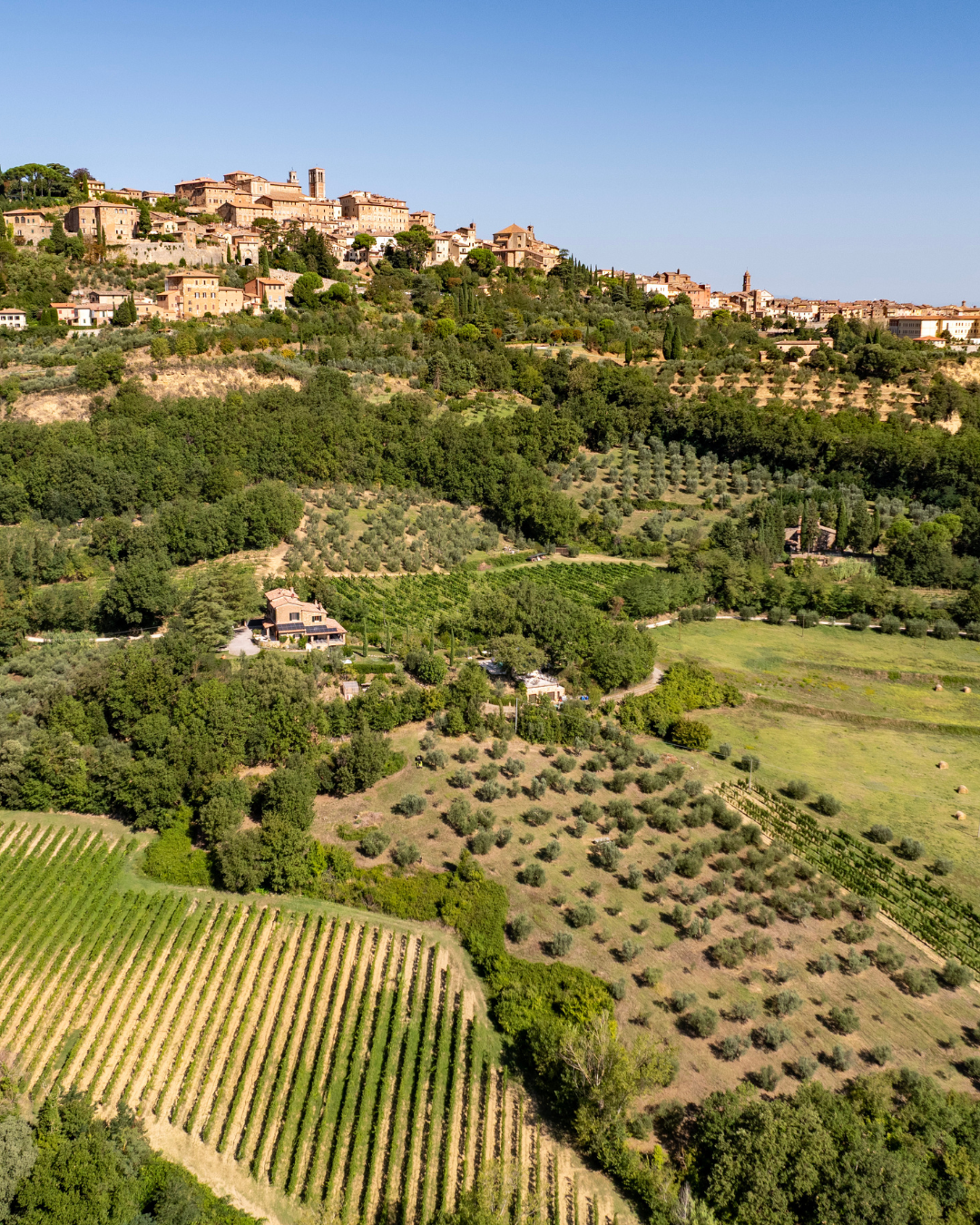
Villa Nobile’s olive grove and vineyard beneath Montepulciano
Ask anyone who knows Tuscany well which season is best, and you’ll start a friendly argument. Spring has wildflowers and soft green hills. But autumn is when everything the land has been working toward all year finally comes in: grapes, olives, truffles, and the first glass of new wine. It’s Tuscany at its most generous, and Villa Nobile sits right in the middle of it.
The hills turn to gold
In late September, the light changes. The vine leaves across the Valdichiana turn gold, then copper, then a deep russet that glows in the late afternoon sun. From the terrace, the whole valley looks hand-painted, and every walk into town feels like stepping into a postcard.
The days are mild enough for lunch outdoors. The evenings are cool enough for a sweater, a glass of Vino Nobile (or two), and a seat by the outdoor fireplace as the first stars come out over Lake Trasimeno.
La vendemmia
The Tuscans call the grape harvest la vendemmia, and in Montepulciano the whole year turns on it. Prugnolo Gentile, the local Sangiovese grape that gives Vino Nobile its depth, usually comes in from late September into early October. There’s no fixed date. Winemakers walk their rows, taste the grapes, and wait until the sugar is right, so the timing shifts with each summer’s sun and rain.
You’ll notice it as soon as you arrive: tractors hauling crates of dark fruit up the lanes, the smell of fermenting must drifting out of cellar doors, and a buzz in every bar on the Corso. Walk twenty minutes up the hill and you’re in the cellars. A few steps from Piazza Grande, Talosa ages its Vino Nobile in brick-vaulted galleries that have run beneath the old palazzi since the 1500s. Directly across the valley and a short drive, Salcheto welcomes visitors to one of the area’s most beautiful estates that looks right back at Villa Nobile. Schedule a tasting or lunch at its restaurant Ristorante Indigeno and pick up a bottle for later.
Our own small vintage
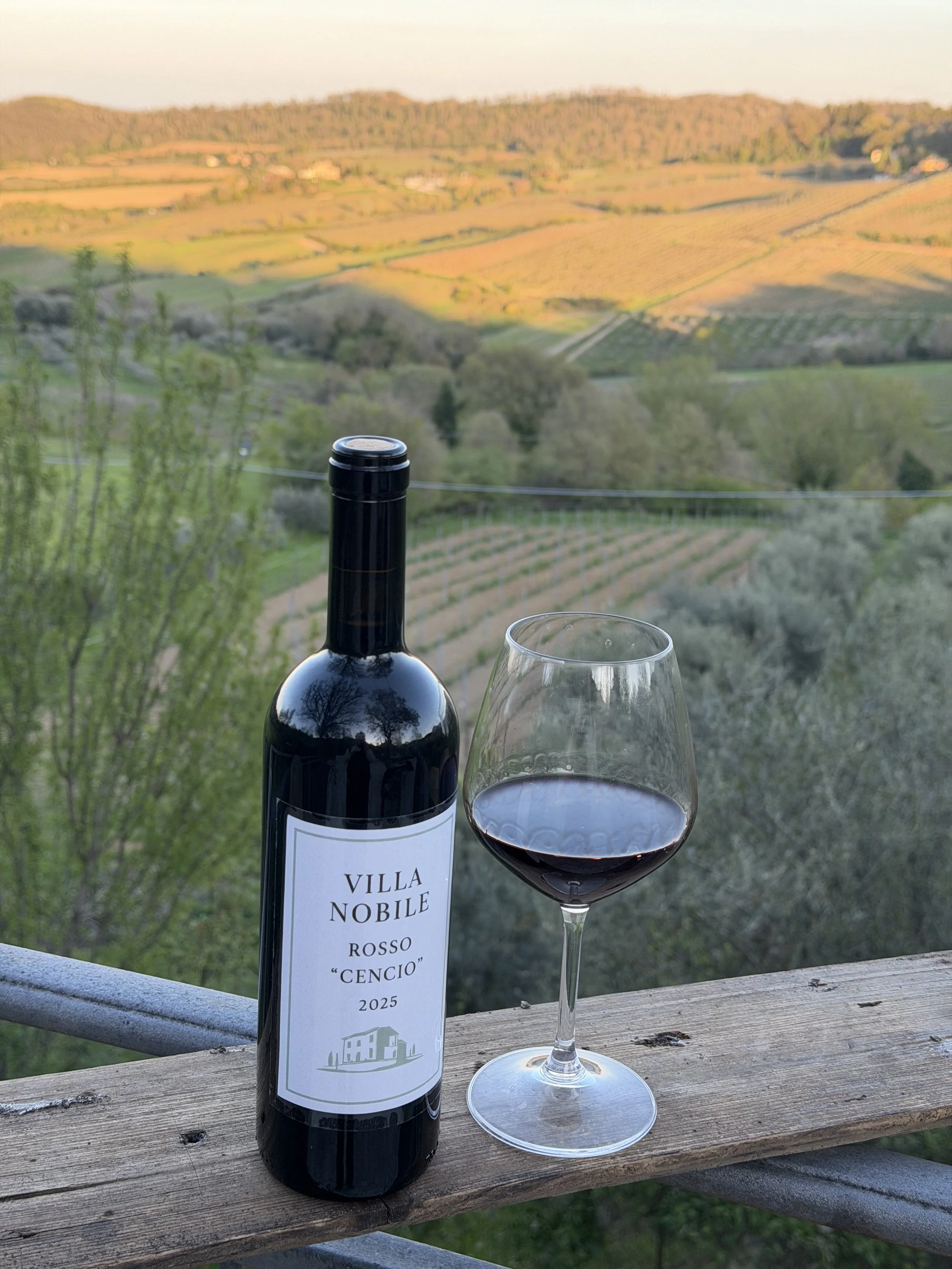
Bringing the estate’s original vineyard back to life has been a decade-long labor of love for Tim, and especially Marci. In spring 2026, we gathered to open the very first bottle of our first vintage, and none of us will forget it. This autumn, we bottled our second.
The new vintage needs time to rest. We hope that on a future visit, we’ll be pouring you a glass of it on the terrace, overlooking the vines that grew it.
The olive harvest
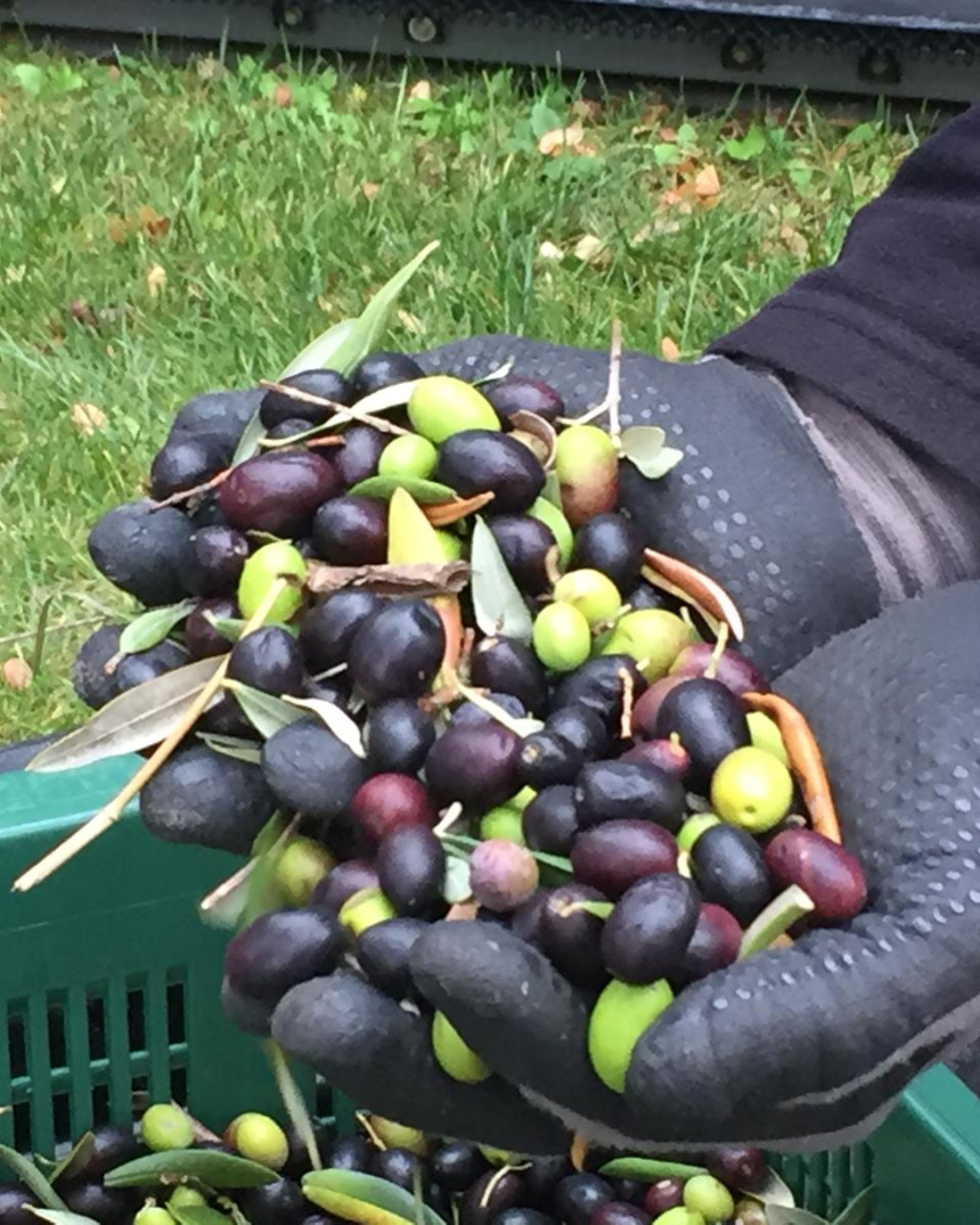
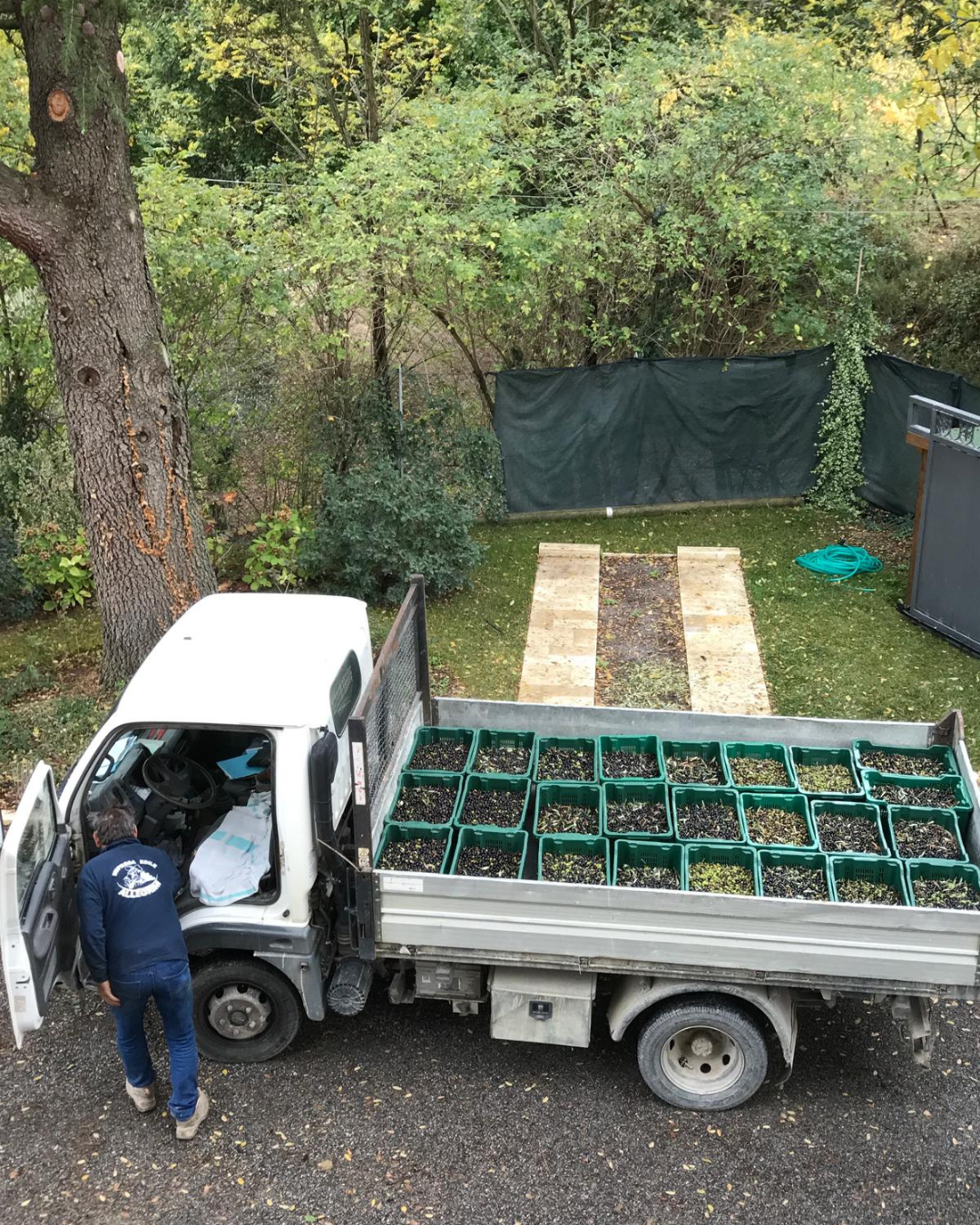
A few weeks after the grape harvest come the olive harvest. Here they are usually picked from mid-October into November, often while still mostly green. Picking early means less oil from each tree, but it gives Tuscan oil its character: grassy and vivid, with a peppery tickle at the back of the throat.
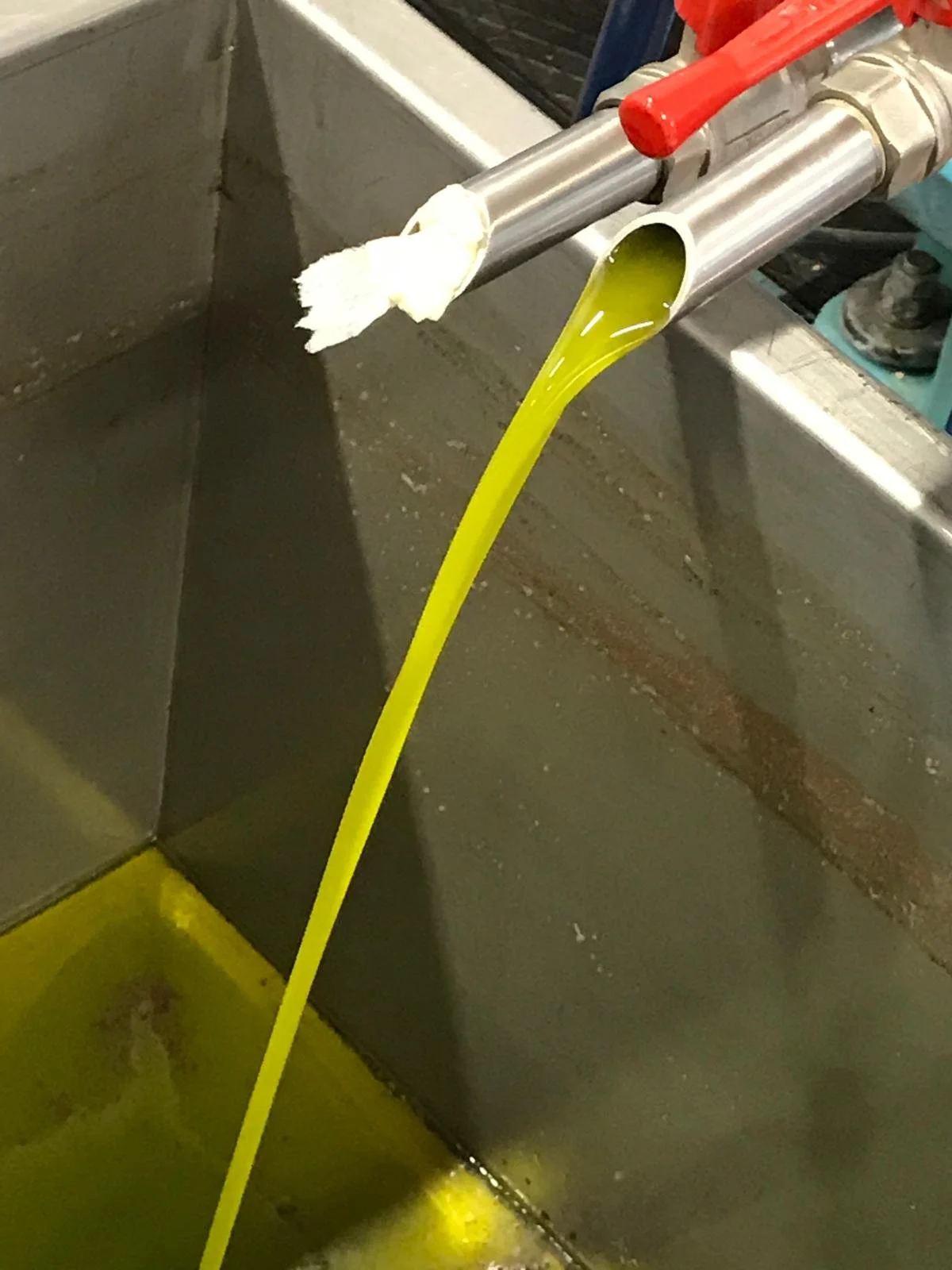
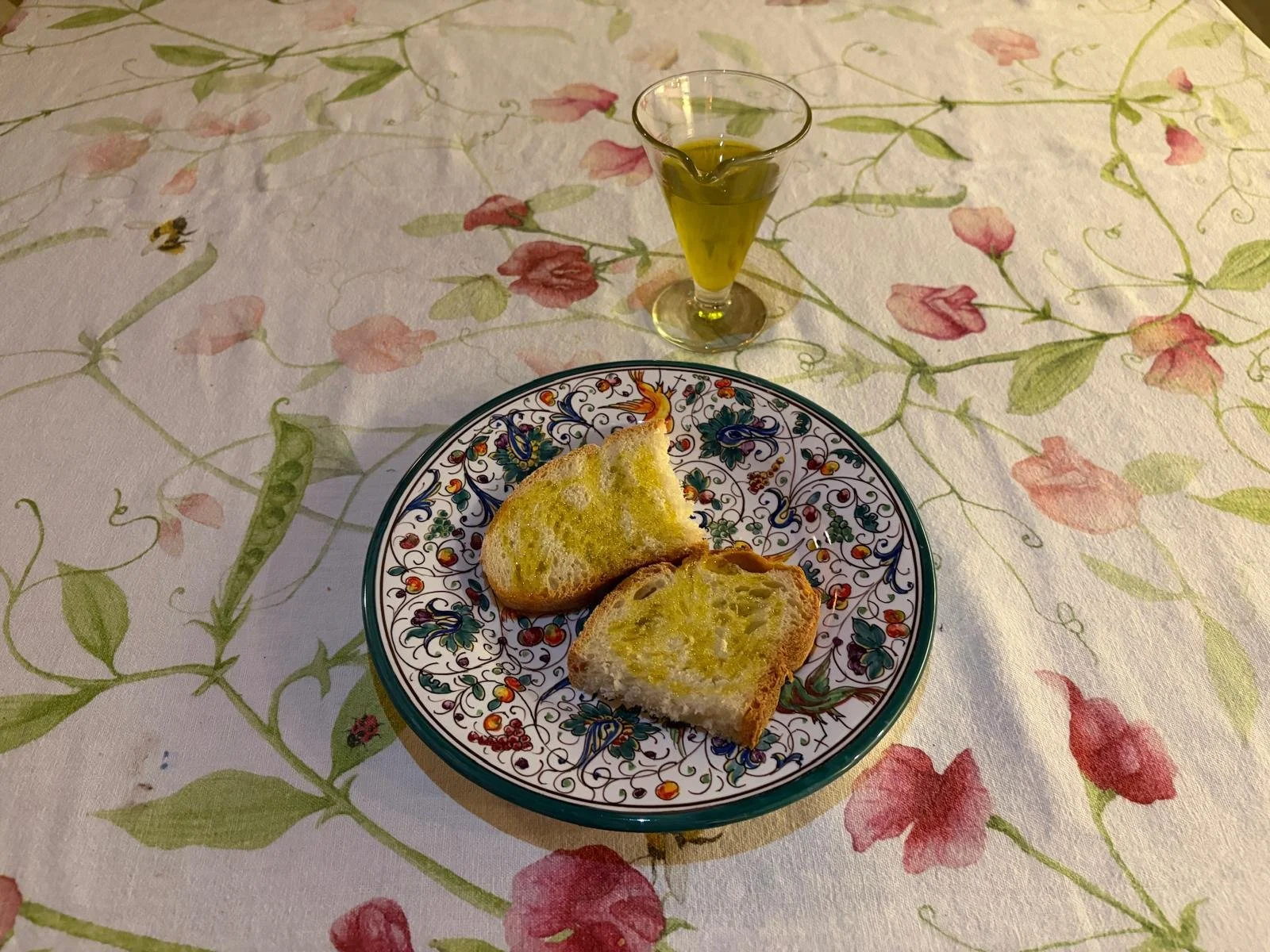
Freshly pressed, olio nuovo is bright green and cloudy. It mellows and turns golden over the following months, but in these first weeks you can really only taste it here. The classic way to eat it is simple: toast a thick slice of Tuscan bread, rub it with garlic, pour the new oil over it generously, and add a pinch of salt. That’s fettunta, Tuscan for ‘oiled slice,’ and it’s hard to go back to supermarket oil afterward.
Our 2026 olive harvest was a bountiful one. In town, the Frantoio di Montepulciano presses olives from the surrounding groves, and the Pro Loco usually hosts tastings of the new oil around late October. If your visit lines up, don’t miss it.
Truffles, mushrooms, and the autumn table
Autumn also brings porcini to the menus, chestnuts roasting in the piazzas, and the start of white truffle season. The medieval village of San Giovanni d’Asso, an easy drive from the villa, usually holds its white truffle fair over two weekends in mid-November, with tastings, pecorino, Orcia wines, and truffles shaved over fresh pasta.
If you’d rather find your own truffles, Sherry at Cin Cin Travel can arrange a morning in the woods with a truffle hunter and his dog. Bring your finds home and cook them in the villa kitchen, or have Sherry arrange a private chef. A harvest dinner at the villa, with new oil, new wine, and truffles on the table, is about as good as autumn gets.
Sagra season
Autumn is also sagra season. A sagra is an open-air harvest festival run by town associations: long tables under strings of lights and a kitchen full of residents cooking the dishes their town is known for. A meal usually runs around €10–30.
Each town celebrates one or two specialties, such as mushrooms, chestnuts, wine, cheese, or truffles. Many come with live music or a parade, and the whole village turns out. Some last a single day; others stretch over several weekends. Close to home, the Festa BiancoRossa – Sagra dell'Ocio, a celebration of roast goose, usually comes to Montepulciano Stazione in late September. In November, the tiny village of Montisi throws a party for the year’s first new oil. Ask at any bar in town what’s on this weekend. Someone will know, and they probably have a cousin in the kitchen.
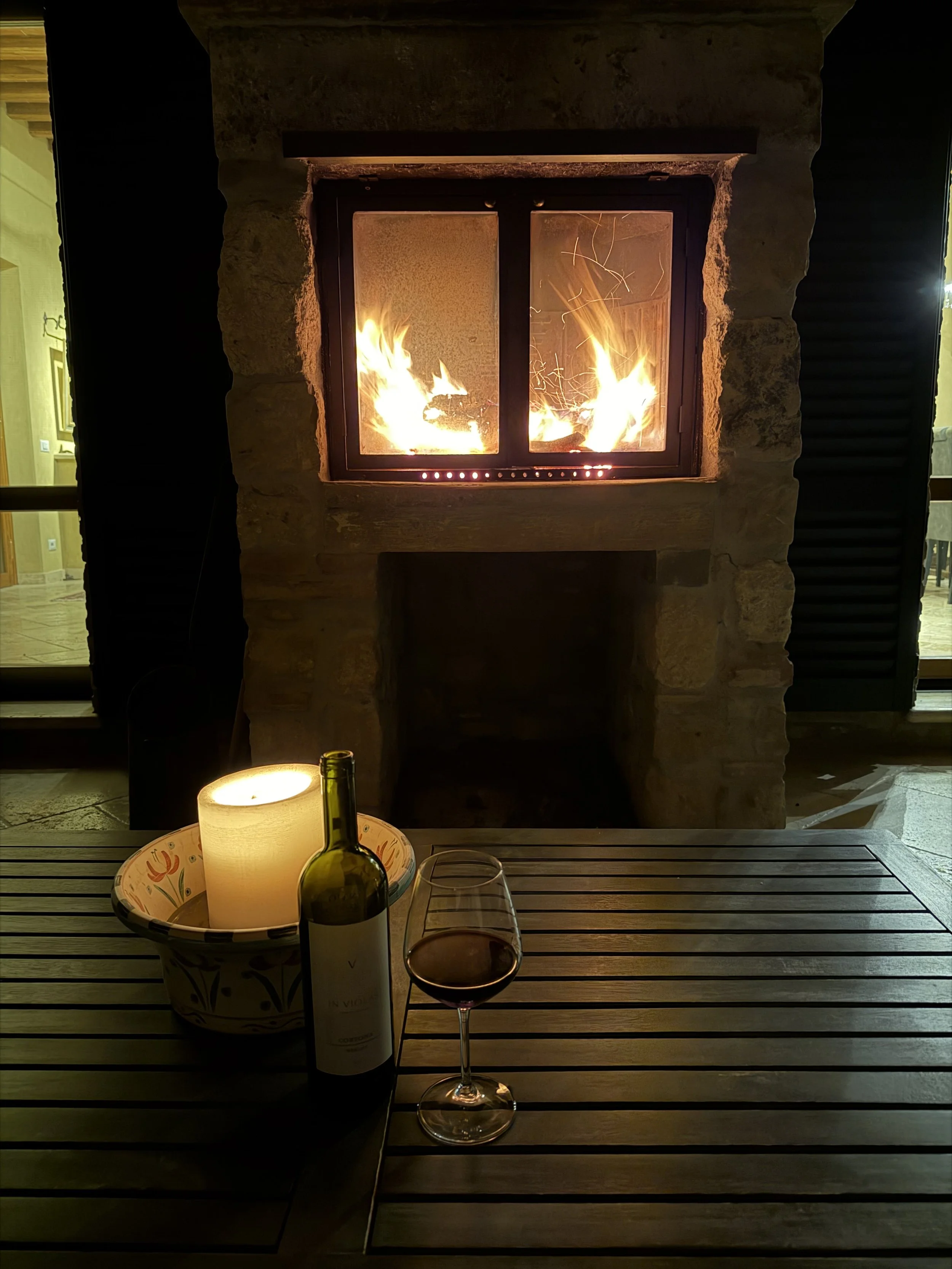
At the end of a day of tastings and wandering, you come back through the olive trees as the light fades over the valley. The fire is lit, your group gathers around a table of bread, new oil, and a good bottle of Vino Nobile, and the only question left is where to go tomorrow.
Autumn weeks are some of our favorites at Villa Nobile. If you’d like to be here for the harvest, write to Sherry at sherry@villanobile.com. She’d love to help you plan your stay.
